

Introduction to iPhone Password Management
In today’s digital world, strong security is more important than ever. Managing passwords on an iPhone has become an essential part of protecting your personal and professional information. Apple’s iOS ecosystem provides several built-in tools to help you store, create, and manage passwords securely. Whether you are setting up a new iPhone or improving your current security habits, learning how to manage passwords effectively can help protect your sensitive information from unauthorized access.
This comprehensive guide covers the key aspects of iPhone password management. It explains built-in features, useful tools, and security best practices recommended by professionals. By the end of this guide, you will know how to manage your passwords and strengthen your digital security.
Understanding Apple’s Built-In Password Manager: iCloud Keychain
Apple’s built-in password manager, called iCloud Keychain, makes it easy to manage passwords on your iPhone. It securely stores your passwords, credit card details, and Wi-Fi credentials. It also keeps this information synced across your Apple devices that use the same iCloud account.
iCloud Keychain uses end-to-end encryption to protect your stored information. Only your trusted devices can access it. Even Apple cannot read the contents of your keychain. This makes iCloud Keychain a secure and convenient option for storing passwords.
Key Features of iCloud Keychain
- Automatic Password Saving: When you create an account or change a password in Safari, iCloud Keychain automatically offers to save your credentials.
- AutoFill Functionality: Saved passwords are automatically populated in login fields across Safari and compatible applications, eliminating the need to remember complex credentials.
- Strong Password Generation: The system suggests cryptographically strong, unique passwords when you sign up for new accounts.
- Cross-Device Synchronization: Your passwords remain consistent and up-to-date across all your Apple devices, including iPhone, iPad, and Mac.
- Security Alerts: iCloud Keychain monitors your saved passwords and alerts you if any have been involved in known data breaches.
How to Access and Manage Passwords on iPhone
Apple has made accessing your stored passwords on iPhone straightforward through iOS Settings. Follow the steps outlined below to locate and manage your credentials effectively.
Accessing the Password Manager in iOS Settings
- Open the Settings application on your iPhone.
- Scroll down and tap on Passwords (in iOS 14 and later, this option is found directly in the main Settings menu).
- Authenticate using Face ID, Touch ID, or your device passcode when prompted.
- You will now see a complete list of saved passwords organized alphabetically by website or application name.
Viewing, Editing, and Deleting Saved Passwords
Once inside the Passwords section, you have full control over your stored credentials. Tap on any entry to view the associated username, password, and website URL. You may edit any field by tapping Edit in the upper-right corner, or remove an entry entirely by swiping left and selecting Delete. It is advisable to periodically review your stored passwords and remove those that are no longer in use to maintain a clean and secure credential vault.
Enabling and Configuring AutoFill Passwords
The AutoFill feature is one of the most convenient aspects of managing passwords on iPhone. When properly configured, it eliminates the friction associated with logging into applications and websites while simultaneously encouraging the use of stronger, more complex passwords.
Steps to Enable AutoFill
- Navigate to Settings on your iPhone.
- Tap on Passwords, then select Password Options.
- Ensure the AutoFill Passwords and Passkeys toggle is enabled.
- Select iCloud Keychain as your preferred AutoFill source, or choose a third-party password manager if you use one.
With AutoFill enabled, a suggestion bar will appear above the keyboard whenever you encounter a login screen, allowing you to populate your credentials with a single tap following biometric or passcode authentication.
Using Strong Passwords: Apple’s Automatic Generation Feature
One of the most significant vulnerabilities in personal security is the use of weak or reused passwords. Apple addresses this concern directly by offering an automatic strong password generation feature integrated into iOS. When you encounter a new account registration form in Safari, your iPhone will suggest a complex, randomly generated password that meets the highest security standards.
These suggested passwords typically consist of a combination of uppercase and lowercase letters, numbers, and hyphens, making them extremely difficult to compromise through brute-force attacks. Accepting these suggestions and storing them in iCloud Keychain is strongly recommended, as it removes the burden of creating and memorizing secure credentials manually.
Benefits of Using Generated Passwords
- Uniqueness: Each generated password is entirely distinct, ensuring that a breach on one platform does not compromise other accounts.
- Complexity: System-generated passwords far exceed the complexity of those typically created by users.
- Convenience: Since the password is stored automatically in iCloud Keychain, there is no need to memorize or write it down.
- Reduced Risk: Eliminating password reuse dramatically reduces the risk of credential-stuffing attacks.
Passkeys: The Future of Authentication on iPhone
Apple has introduced passkeys as a modern replacement for traditional passwords, representing a significant advancement in how users authenticate their identities on iPhone.
Conclusion
Managing passwords on your iPhone is an important part of maintaining strong digital security. Features such as iCloud Keychain, AutoFill, strong password generation, and passkeys make it easier to protect your accounts without relying on weak or reused passwords. By using these tools and following good security practices, you can keep your credentials organized and reduce the risk of unauthorized access.
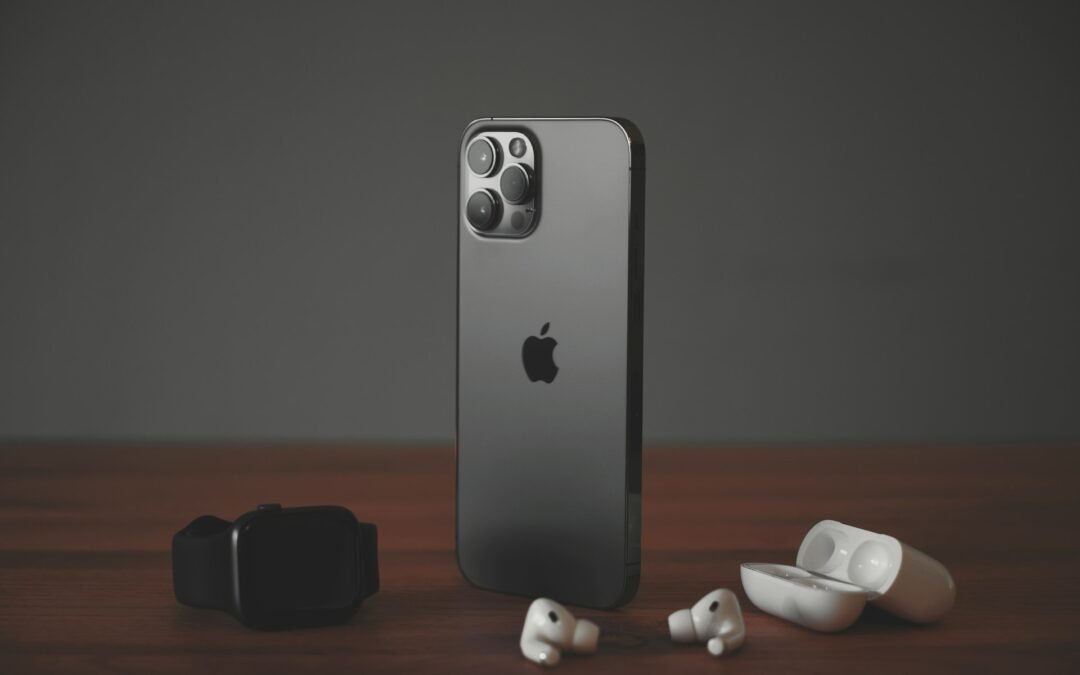
Photo by Dennis Brendel on Unsplash