


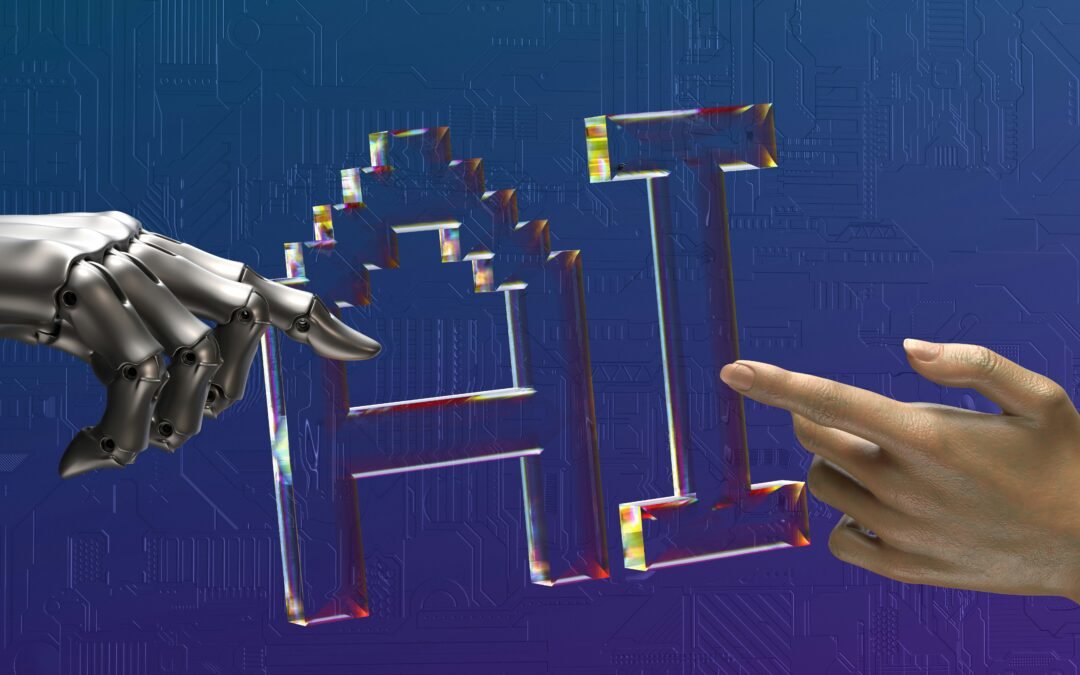
Introduction to the AI vs Human Writing Debate
The rise of artificial intelligence has fundamentally transformed the landscape of content creation. From automated news articles to AI-generated marketing copy, the question of AI vs human writing has become one of the most pressing discussions in the digital age. As AI writing tools grow increasingly sophisticated, businesses, educators, and content creators are left wondering: which approach truly produces better content?
This article explores both sides of the debate, examining the strengths and limitations of AI-generated content versus human-crafted writing, and ultimately offering a nuanced perspective on how each can serve different purposes in today’s content-driven world.
Understanding AI Writing: How It Works
AI writing tools, such as large language models, are trained on vast datasets of text sourced from across the internet, books, academic papers, and other written materials. These systems use complex algorithms and neural networks to predict and generate coherent, contextually relevant text based on the input they receive.
Modern AI writing assistants are capable of producing:
- Long-form blog articles and essays
- Product descriptions and marketing copy
- Social media posts and email campaigns
- Technical documentation and reports
- Creative fiction and poetry
The speed and scalability of AI writing are among its most compelling attributes. Within seconds, an AI tool can generate thousands of words, making it an attractive option for businesses that require high volumes of content in short timeframes.
The Strengths of AI-Generated Content
When evaluating AI vs human writing, it is essential to acknowledge the genuine advantages that AI brings to the table.
Speed and Efficiency
AI tools can produce content at a pace that no human writer can match. For organizations managing large-scale content operations such as e-commerce platforms that need thousands of product descriptions , AI offers an unparalleled level of efficiency.
Consistency and Scalability
AI writing maintains a consistent tone, style, and structure across all generated content. This consistency is particularly valuable for brand communications, where uniformity is critical to maintaining a professional image.
Cost-Effectiveness
Hiring professional human writers involves significant financial investment. AI writing tools, by contrast, often operate on subscription models that make high-volume content creation far more affordable for businesses of all sizes.
Data-Driven Optimization
Many AI writing platforms are designed with SEO in mind, capable of incorporating keywords, optimizing readability scores, and structuring content according to best practices, all without requiring specialized human expertise.
The Limitations of AI-Generated Content
Despite its advantages, AI writing is not without significant shortcomings that must be carefully considered.
Lack of Genuine Creativity and Originality
AI generates content by identifying patterns in existing data. It does not possess the capacity for original thought, lived experience, or true creative inspiration. As a result, AI-generated content can sometimes feel formulaic, predictable, or lacking in the unique voice that distinguishes memorable writing.
Inability to Understand Emotional Nuance
Human emotions are complex and deeply contextual. While AI can simulate empathy and emotional language, it fundamentally lacks the ability to truly understand or convey the depth of human experience. This limitation is particularly evident in persuasive writing, storytelling, and sensitive communications.
Risk of Factual Inaccuracies
AI models are prone to what is commonly referred to as “hallucinations” the generation of plausible-sounding but factually incorrect information. Without careful human oversight, AI-generated content can inadvertently spread misinformation, which can have serious reputational and legal consequences.
Ethical and Originality Concerns
Questions surrounding intellectual property, plagiarism, and ethical use of AI-generated content remain unresolved in many jurisdictions. Publishers, academic institutions, and search engines are increasingly scrutinizing AI content for authenticity and originality.
The Strengths of Human Writing
In the ongoing debate of AI vs human writing, the unique capabilities of skilled human writers represent qualities that remain difficult, if not impossible to replicate through artificial intelligence.
Authentic Voice and Personality
Human writers bring a distinctive voice shaped by personal experiences, cultural backgrounds, and individual perspectives. This authenticity resonates with readers on a deeper level, fostering genuine connections and building audience trust.
Critical Thinking and Analytical Depth
Expert human writers are capable of critical analysis, nuanced argumentation, and sophisticated reasoning. They can evaluate conflicting sources, draw informed conclusions, and present balanced perspectives in ways that AI currently cannot reliably replicate.
Cultural Sensitivity and Contextual Awareness
Human writers possess an inherent understanding of cultural nuances, social contexts, and current events that AI tools may misinterpret or overlook. This awareness is crucial when writing for diverse audiences or addressing sensitive topics.
Creative Innovation
From groundbreaking journalism to award-winning fiction, human creativity has the capacity to challenge conventions, introduce entirely new ideas, and produce content that transcends the boundaries of existing knowledge, something AI, by its nature, is fundamentally unable to do.
The Limitations of Human Writing
A fair analysis must also acknowledge the practical limitations associated with relying exclusively on human writers.
- Time constraints: Human writers require significantly more time to research, draft, and edit content compared to AI tools.
- Inconsistency: Writing quality can vary depending on a writer’s mood, workload, and level of expertise.
- Higher costs: Skilled professional writers command competitive rates, which may be prohibitive for smaller organizations.
Photo by Igor Omilaev on Unsplash







Trackbacks/Pingbacks